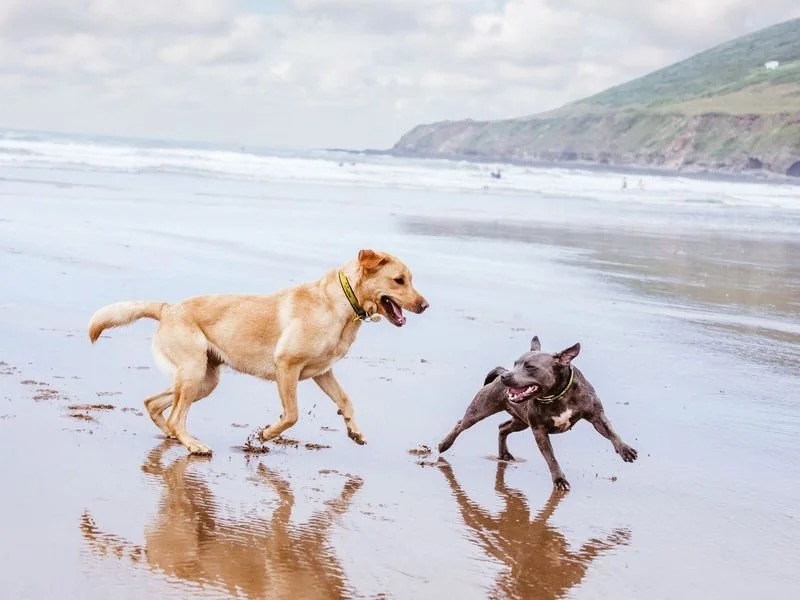
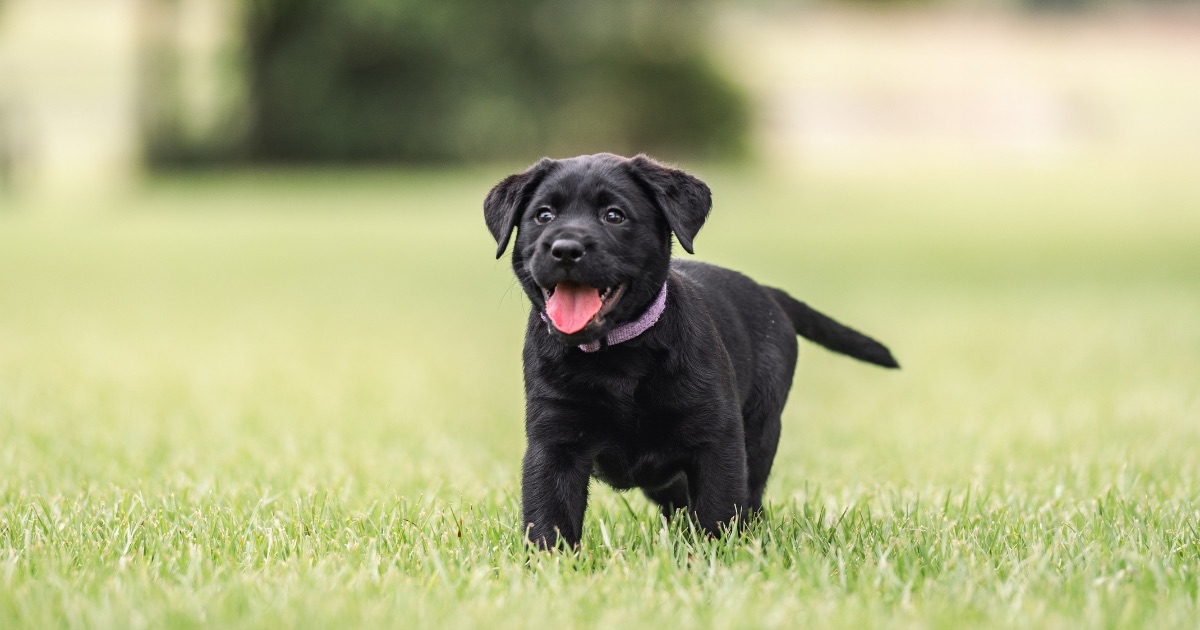
Group Classes vs Private Dog Training: Which Is Right for Your Dog?
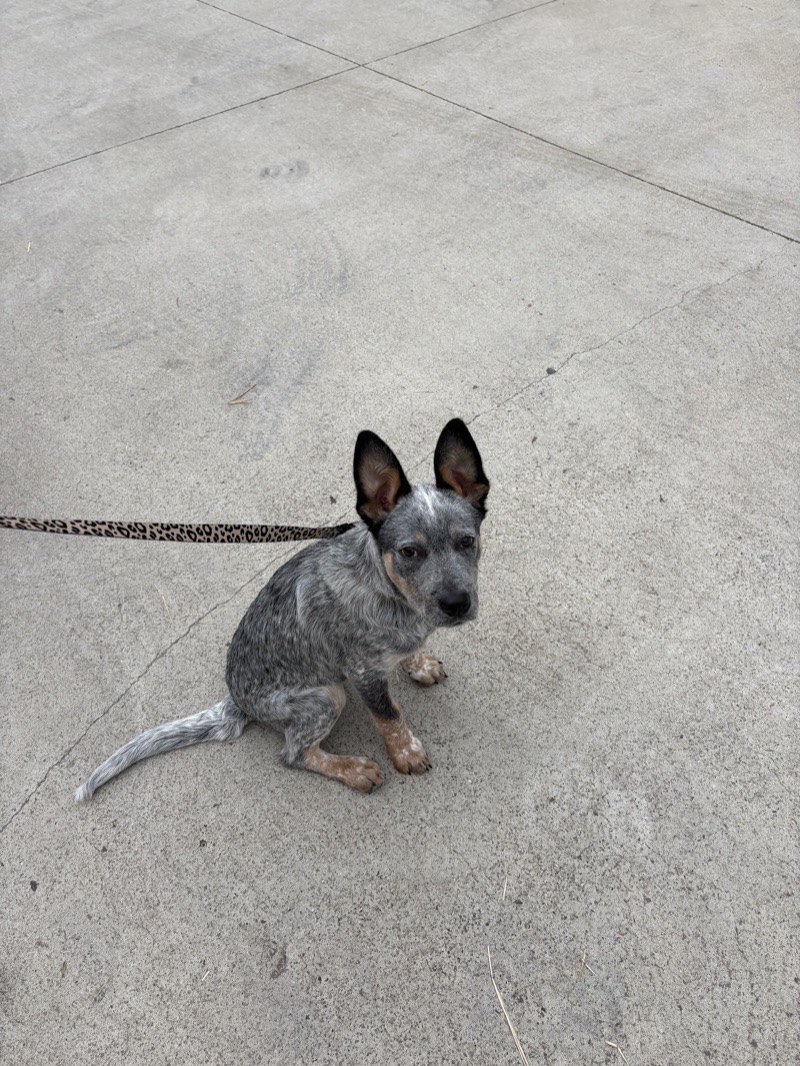
Choosing between group classes and private dog training is not about which one is better. They are different tools for different jobs. Group classes build skills and confidence around distractions, while private sessions solve specific behaviour problems in the environment where they actually happen. The right choice depends on your dog's temperament, what you are trying to fix, and honestly, how your dog copes around other dogs.
I run both formats across Torquay, Geelong, the Bellarine and the Surf Coast, so I have no reason to steer you one way or the other. Here is how I help owners decide.
When do group classes make the most sense?
Group classes shine when your dog already has the basics and copes well around other dogs. If your dog can focus on you with mild distractions, a class environment turns that up a notch in a controlled, supported way. That is genuinely hard to replicate at home.
Group training is the right fit when:
- Your dog needs practice around distractions. Sits and stays in the lounge room are easy. Sits and stays with six other dogs nearby are a real skill.
- You want ongoing structure. Regular classes keep you accountable and keep skills sharp, rather than letting training fade after a good start.
- Budget matters. Group sessions cost less per session than private work almost everywhere, so as a rough guide they are the more affordable way to train consistently over months.
- Your dog enjoys the environment. A dog who is comfortable, curious and able to eat treats around other dogs is telling you they can learn there.
My group drop-in classes run on the first and third Saturday of every month with no lock-in, so you can come when it suits and stop when you have what you need. For young dogs, structured classes also complement early puppy training nicely, because they extend that early socialisation work into adolescence, which is exactly when many owners drop off.
When is private training the right call?
Private training is the right choice whenever the problem is specific, serious, or tied to your home and routine. It is also the only sensible option for dogs who cannot cope in a group.
Choose private training when:
- Your dog is reactive. Lunging and barking at dogs or people on walks does not improve in a room full of dogs. It usually gets worse, because the dog is over threshold and physically cannot learn.
- There is anxiety involved. Separation distress, noise fears and general nervousness need a tailored plan, worked at your dog's pace, not a class curriculum.
- You are dealing with resource guarding or aggression. These behaviours need careful assessment and a structured plan. I completed Michael Shikashio's Aggression in Dogs Master Course specifically to handle this work safely and effectively.
- The problem lives at your house. Fence running, door rushing, trouble between dogs in the same home. You cannot fix a kitchen problem in a hall.
- Your dog shuts down or ramps up in groups. A dog who will not take food, cannot settle, or spends the whole class scanning the room is not learning. They are surviving.
My private behaviour training runs in-home or on-location, which means we train where the behaviour actually happens, whether that is your loungeroom, your street, or a quiet stretch near Connewarre where we can work a reactive dog at a distance they can handle.
Is a dog ever too stressed for group classes?
Yes, and this is the honest bit many owners need to hear. Learning requires a brain that is calm enough to think. A dog who is over threshold, meaning too aroused, fearful or fixated to respond, cannot take in new information no matter how good the class is. Signs include refusing food they normally love, constant scanning, whining or barking that will not settle, and pulling hard toward or away from other dogs.
If that sounds like your dog, a group class is not a failure waiting to happen, it is simply the wrong starting point. Private sessions first, group classes later, once your dog can genuinely cope.
Can you combine group classes and private training?
Absolutely, and many of my clients do exactly this. A common path looks like:
- Start private to address the specific issue, whether that is reactivity, jumping on visitors, or a shaky recall at the beach.
- Transition to group classes once your dog can focus around other dogs, using the class as a controlled proving ground.
- Drop in as needed to keep skills sharp. Because my Saturday classes have no lock-in, you can treat them as maintenance rather than a fixed term commitment.
This route gives you the tailored problem-solving of private work and the real-world distraction practice of a group, usually for less than doing everything privately.
How should you decide for your dog?
Ask yourself three questions. Is there a specific behaviour problem, especially one involving fear, guarding or aggression? Private. Can my dog eat, focus and settle around other dogs? Group is on the table. Do I want ongoing practice rather than a one-off fix? Group, possibly after some private groundwork.
All of my training, group and private, is positive and science-based. I am a Karen Pryor Academy Certified Training Partner, and everything I do is built on how dogs actually learn, not force or fear.
Still not sure which way to go?
That is completely normal, and you do not have to decide alone. I am happy to talk through what is going on with your dog and give you a straight answer about which format fits, even if that answer is the cheaper one. Get in touch for a free chat or call 0402 225 860, and we will work out the right path for your dog together.
Frequently asked questions
Are group classes or private training better for a reactive dog?
Private training, without question. A reactive dog in a group class is usually over threshold, meaning too stressed to learn, and the experience can make the reactivity worse. Private sessions let us work at a distance your dog can handle and build up gradually. Group classes can become an option later, once your dog copes calmly around other dogs.
Is private dog training worth the extra cost?
For specific behaviour problems, yes. Private training targets your exact issue in the environment where it happens, so progress is usually faster and more relevant than a general class curriculum. For ongoing skills practice with a settled dog, group classes deliver more sessions for your money. Many owners get the best value by combining both.
How do the group drop-in classes work?
Classes run on the first and third Saturday of every month with no lock-in contract. You come along when it suits you, and stop whenever you have what you need. That makes them ideal for ongoing practice and maintenance rather than a fixed-term course.
Can my dog do both group classes and private sessions?
Yes, and it is often the best approach. A common path is starting with private sessions to solve a specific problem, then using group classes to practise those skills around real distractions. Because the drop-in classes have no lock-in, you can move between formats as your dog progresses.
What areas do you cover for private training?
I am based in Torquay and run private behaviour training in-home or on-location across Geelong, the Bellarine and the Surf Coast. Training where the behaviour actually happens, whether at your home or out on location, is a big part of why private sessions work.